Not every statement needs immediate explanation. Some are left to linger, suspended in the air, forcing the listener to wonder what comes next.
hat’s how Washington felt the moment the warning was delivered—referring to the Constitution, the Founding Fathers, and a “threat” placed alongside familiar names of modern politics. No shouting. No slogans. Just a sharp choice of words to change the rhythm of the room.

The Constitution, in this story, is no longer a historical document hanging in a glass case. It is pulled back to the center of the stage—like a living character, carrying with it old but never outdated questions: Who needs protection? Protection from what? And who has the right to define the threat?
Those present that day recounted that the reaction was not immediate. No one stood up to argue. No one directly refuted it. The silence lasted longer than usual, long enough for those familiar with the law to realize: this wasn’t an impromptu statement. This was a signal.
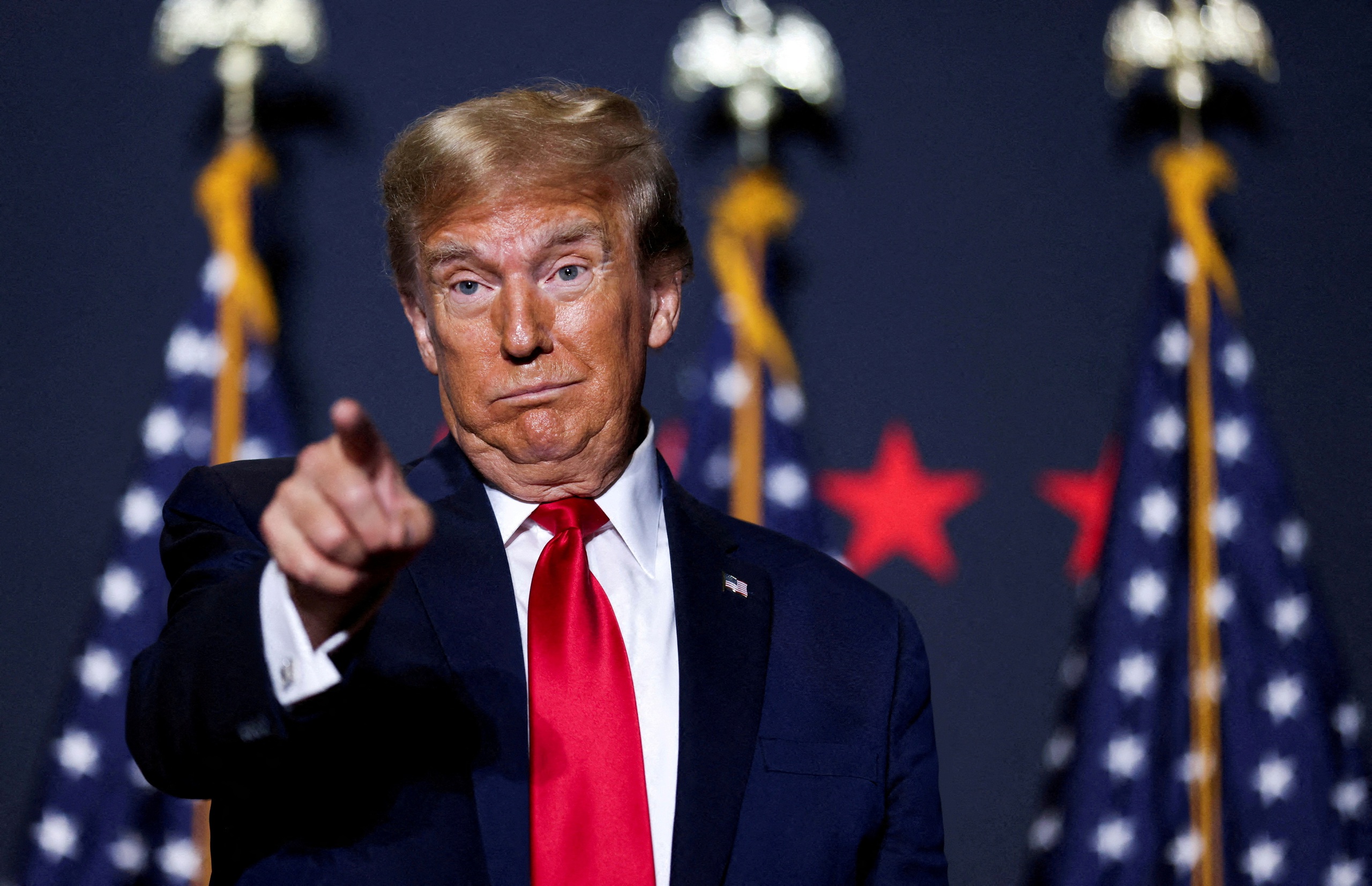
In the corridors of power, phones began ringing. Assistants whispered. Strategic groups met in secret. Because when the Constitution is invoked in this way, the story rarely ends with words. It opens a chain of interpretations—legal, political, and even media—each side believing it holds the “true meaning.”

On the opposite side, the names mentioned didn’t react immediately. That restraint also carried its own message. In Washington, a slow reaction is sometimes more powerful than a quick one. It shows that people are considering not only what has just been said, but also what hasn’t been said.
Analysts quickly split. Some argued that this was merely a rhetorical maneuver, a way of mobilizing the voter base using familiar symbolism. Others saw it as a preparatory step—laying the groundwork for deeper legal debates about power, limits, and the balance between the branches of government.
Remarkably, no one was debating the Constitution itself. The debate lay in how it was being used.
As a shield?
As a weapon?
Or as a mirror reflecting the fears and ambitions of each era?
In the days that followed, the quote was taken, cut, and interpreted in many ways. Each side added its own layer of meaning. But at the heart of that media whirlwind, there remained a gap: the true intent.
A former legal counsel remarked, “When someone insists that the Constitution was written to ‘protect us,’ the question isn’t right or wrong. The question is: how are they preparing to protect?”
Washington was accustomed to the noise. But what worried the city most were the quiet moments that followed a warning. Because in politics, silence is often when the chessboard is being reshuffled.
There was no further announcement that day. No documents were released. Only the feeling that a line had been touched—not crossed, but marked.
And when the Constitution is referred to in that way, not to reread the past, but to shape the future, Washington understands that this story is not over. It has only just begun.