WASHINGTON IS ON FIRE TONIGHT: Kash Patel Just Dropped the Mother of All Political Bombs… He quietly rolled out a new “Born in America” eligibility blueprint that could DISQUALIFY at least 14 sitting Members of Congress RIGHT NOW, targeting dual citizens and anyone accused of gaming the system. “Is this the beginning of a political revolution or a step too far? Click here to dive into the details of the ‘Born in America’ bill and discover what it could mean for the future of American democracy!”
The “Born in America” Eligibility Bill: A Game-Changer for Congress or a Step Too Far?

The “Born in America” Eligibility Bill: A Game-Changer for Congress or a Step Too Far?
Washington, D.C. is no stranger to political turbulence, but a recent development is shaking the Capitol to its core. Kash Patel, a prominent political figure, has introduced a sweeping new proposal that could forever change the face of American governance. His “Born in America” eligibility bill, aimed at disqualifying sitting members of Congress, is sparking fierce debates over the values of loyalty, constitutional duty, and national sovereignty.
The bill has caused a media firestorm and ignited a series of questions about the loyalty of lawmakers and their connection to the nation they represent. Some critics argue that the proposal could create a more secure, honest government, while others are worried that it could lead to the exclusion of essential voices in Congress. Let’s delve into this controversial bill, the heated arguments surrounding it, and the potential implications for the future of American politics.
The Birth of the “Born in America” Proposal
Kash Patel’s bill, which is being introduced to Congress as a “Born in America” eligibility blueprint, would require all future members of Congress to have been born on U.S. soil. It aims to target those with dual citizenship or individuals who may have “gamed the system,” according to Patel’s supporters. The key provision of the bill suggests that dual citizens or those born outside the U.S. should not be eligible to hold office in the House or Senate, and it could also impact representatives accused of political or ethical misconduct.
While the bill’s primary focus is on the eligibility of lawmakers, its ramifications are profound. Currently, members of Congress who hold dual citizenship or who have allegiances to foreign nations are raising serious questions about their loyalty to the United States. The argument stems from the belief that personal allegiance and national priorities might be compromised when the interests of foreign countries influence decisions made within the U.S. government.
Patel’s supporters argue that it is vital for the integrity of American democracy that only those fully committed to U.S. values, ideals, and interests serve in the legislative branch. But the bill has sparked outrage, especially from progressive politicians who see this proposal as a move to marginalize immigrant communities and challenge their ability to participate in U.S. politics.

The Political Fallout: Who’s at Risk?
While the full impact of Patel’s bill remains to be seen, one thing is for certain — some prominent members of Congress could be directly affected by the proposed changes. A list of lawmakers who hold dual citizenship or whose families have foreign ties has emerged as a result of the bill, including some high-profile names.
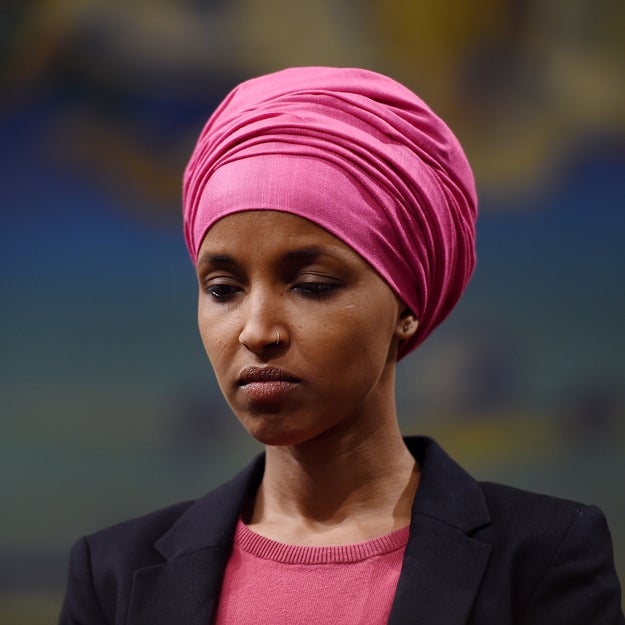
One such example is Congresswoman Ilhan Omar, a Somali-American politician who rose to national prominence in 2019 as the first Somali-born member of the U.S. Congress. A naturalized citizen, Omar has been a vocal advocate for progressive policies, including healthcare reform and a Green New Deal. Yet, her ties to Somalia and her outspoken criticisms of U.S. foreign policy have made her a lightning rod for political controversy.
Supporters of Patel’s bill argue that Omar’s criticism of U.S. policy and her dual heritage present a conflict of interest that could undermine her ability to serve the American people impartially. For some, her case exemplifies the need for stricter rules around who is eligible to serve in the House and Senate.
On the other hand, opponents of the bill argue that politicians like Omar bring valuable perspectives to Congress and have earned their right to serve the American people. The bill’s critics argue that disqualifying individuals based on their place of birth or familial background undermines the democratic ideals of inclusion and representation that are foundational to American government.
The Broader Debate: Loyalty, Identity, and National Sovereignty
At the heart of this debate lies the question of loyalty — to whom do members of Congress owe their allegiance? Is their primary responsibility to their constituents, or to the United States as a whole? The bill touches on deep, existential concerns about American identity, the meaning of citizenship, and the line between personal heritage and national duty.
One of the most controversial aspects of the “Born in America” bill is that it implicitly questions the loyalty of those with non-American backgrounds. For many, this feels like a subtle form of xenophobia, casting doubt on the loyalty of citizens who may not have been born in the U.S. or whose families hail from foreign nations. Those who oppose the bill argue that such an approach could lead to exclusionary practices and stifle diversity in government, an essential aspect of the American political landscape.
Supporters, however, believe that it is vital for those holding positions of significant power to have unwavering allegiance to the United States. They argue that the United States faces complex global challenges, and it is essential that lawmakers prioritize American interests above all else. In this view, dual citizenship or any indication of foreign loyalty poses a security risk that must be addressed.
The bill’s advocates argue that the proposal is not about excluding individuals based on their race, religion, or background, but about ensuring that American policymakers are wholly committed to the country’s interests. Whether the bill’s proponents can convince the American public of the importance of these changes remains to be seen.
The Constitutional Question: Is This Legal?
The proposed legislation has already faced significant constitutional challenges. Opponents argue that the “Born in America” bill could violate the Constitution, particularly the Equal Protection Clause of the 14th Amendment, which guarantees that no state shall deny any person within its jurisdiction equal protection of the laws.
Legal scholars have raised concerns that Patel’s proposal could infringe upon the rights of naturalized citizens, creating an unconstitutional barrier to running for office. The bill would need to undergo extensive legal scrutiny to ensure that it does not run afoul of America’s legal framework, and there is a chance that the courts could strike it down before it even reaches the floor of Congress.
One of the most significant legal hurdles is the fact that Congress has long allowed dual citizens to serve. Historically, dual citizens were allowed to serve in the U.S. Senate and House of Representatives without any legal challenges. This precedent complicates the argument for disqualifying members based on their citizenship status, especially in a modern, globalized world where international ties are increasingly common.
Despite these legal concerns, Patel’s bill has garnered significant political support from certain factions of the Republican Party, particularly those concerned with national security and the growing influence of foreign powers in U.S. politics.
A Nation Divided on the Issue of Eligibility
The “Born in America” eligibility blueprint is a political earthquake that has the potential to reshape the landscape of American democracy. The bill has sparked an intense debate over loyalty, identity, and the role of foreign-born citizens in the halls of power. While some see it as a much-needed step toward securing the nation’s sovereignty, others view it as a dangerous move that could undermine the democratic ideals of inclusion and equality.
As the battle continues to unfold in Washington, the fate of this bill remains uncertain. Will it be passed into law, or will it be struck down by the courts? Only time will tell. However, one thing is clear — the proposal has ignited a political firestorm that will continue to captivate the American public for months to come.
In the end, the debate surrounding the “Born in America” bill highlights the tensions between loyalty and inclusivity in modern politics, and whether the nation can strike the right balance between protecting its interests and honoring the diverse voices that shape its future.